Iran has indicated it is open to normalizing transit through the Strait of Hormuz, the narrow waterway that carries roughly one-fifth of the world's oil, but only if certain security conditions are met. The shift in tone follows President Donald Trump's visit to China, and analysts say new regulations from Tehran could redraw the map of global oil logistics.
What Iran is offering
Iranian officials have begun signaling that they will allow regular, uninterrupted passage through the strait — a reversal from recent threats to disrupt shipping in response to international sanctions. The offer is conditional. Tehran wants concrete security guarantees, though it has not specified exactly what those would look like. The move comes weeks after Trump's trip to Beijing, where energy transit and Middle East stability were reportedly on the agenda.
Why the strait matters
The Strait of Hormuz is a 21-mile-wide choke point between the Persian Gulf and the Gulf of Oman. About 20 million barrels of oil pass through it every day, roughly 30 percent of all seaborne-traded crude. Any disruption sends insurers scrambling, freight rates soaring, and oil markets into a tailspin. Iran, which controls one side of the strait, has used the threat of closure as leverage for years.
What normalization would mean for shipping costs
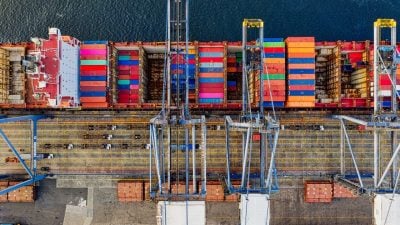
If Iran follows through, the immediate effect would be lower war-risk insurance premiums for tankers transiting the Gulf. Those premiums spiked after previous confrontations, sometimes adding hundreds of thousands of dollars per voyage. A stable Hormuz would also reduce the need for alternative routes — like the longer, costlier path around Africa's Cape of Good Hope — which can add two weeks and millions in fuel costs. Lower logistics costs tend to ripple through global fuel prices, though the effect depends on broader supply and demand.
Geopolitical dynamics at play
The timing is not accidental. Trump's engagement with China, a major buyer of Iranian oil, creates a new diplomatic channel. Iran appears to be testing whether it can extract security commitments in exchange for keeping the strait open. U.S. allies in the region, including Saudi Arabia and the United Arab Emirates, are watching closely. They rely on the strait for their own exports and have long called for a stable transit regime that does not depend on Tehran's goodwill.
Unanswered questions
It is unclear whether the security conditions Iran demands are ones the U.S. and China can deliver. Washington has not publicly endorsed any new framework for the strait, and Beijing has not commented on the Iranian signals. Shipping companies are holding off on adjusting their routes until they see concrete regulatory changes from Tehran. The next few weeks will be telling: if Iran publishes formal navigation guidelines, the industry will know the signals were more than talk.