Iran has warned it may ban transit through the Strait of Hormuz for any country that uses its frozen assets, a threat that could escalate geopolitical tensions and disrupt global energy markets. The warning, reported by Iranian state media, did not specify which countries or assets it targets, but it comes amid ongoing disputes over billions of dollars in Iranian funds held abroad.
Why the warning was issued
The threat appears tied to Iran's frustration over foreign governments accessing or leveraging Iranian assets frozen under international sanctions. Tehran has long argued that these funds rightfully belong to Iran and should be released. By linking Hormuz transit to the use of those assets, Iran is signaling it may weaponize one of the world's most critical maritime chokepoints to pressure its adversaries.
The Strait's strategic role
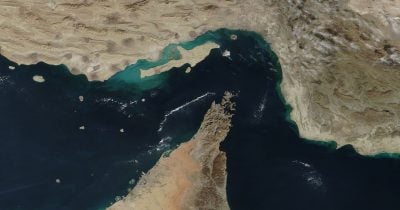
The Strait of Hormuz, a narrow waterway between Oman and Iran, connects the Persian Gulf to the open ocean. Roughly 20 million barrels of oil pass through it daily — about a third of all seaborne crude. Any disruption would send shockwaves through energy markets and raise shipping costs worldwide. Previous Iranian threats to close the strait have drawn swift international responses, including naval patrols.
Potential market disruptions
A Hormuz transit ban would directly affect countries that rely on Gulf oil, including major Asian importers. It would also hit global shipping lanes, forcing tankers to take longer, costlier routes. The warning alone could push up oil prices as traders price in risk. While Iran has not acted yet, the mere threat adds uncertainty to an already tense region.
Geopolitical fallout
The warning escalates a broader standoff between Iran and Western powers over its nuclear program and regional influence. It also puts Gulf Arab states and other oil producers in a difficult position — they depend on Hormuz for exports but may be caught in the crossfire. No government has publicly responded to the threat as of this writing.
What comes next
Iran has not set a deadline or specified which countries would be affected. The international community is watching for any follow-up actions from Tehran, including possible naval exercises or diplomatic moves. For now, the warning remains a statement — but one with the power to rattle markets and reshape alliances.