Israeli officials are demanding military strikes on Iran’s energy infrastructure, a position that threatens to ignite a wider regional conflict. The call, reported in recent days, escalates a long-simmering rivalry and puts further strain on fragile peace initiatives.
The demand
Details of the proposed strikes remain unclear, but the target is specific: Iran’s energy sites. These facilities are central to Tehran’s economy and its ability to project power. A direct assault would mark a sharp departure from the covert and proxy warfare that has defined the Israel-Iran struggle for years. The Israeli government has not publicly explained the reasoning behind the demand, but it comes amid heightened rhetoric over Iran’s nuclear ambitions and regional influence.
Regional conflict risks
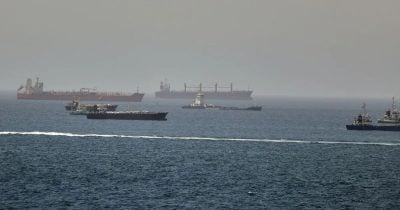
Any military action against Iran’s energy sector would carry serious risks. Neighboring countries could be drawn in, and supply routes through the Strait of Hormuz could be threatened. The demand itself has already heightened tensions, with security officials in several capitals expressing concern. Peace prospects, already dim, are further undermined by the prospect of open confrontation. The conflict risk is not just bilateral—it could ripple across the Middle East, affecting allies and adversaries alike.
Peace efforts under pressure
Diplomatic channels have been trying to de-escalate. The demand for strikes directly counters those efforts. Mediators now face a harder task as the push for military action gains attention. The timing is particularly sensitive, given ongoing talks over Iran’s nuclear program and broader regional security. Any strike would likely derail those negotiations and push the region closer to a larger war.
Market stability shaken
Energy markets are reacting. The mere suggestion of strikes on Iran’s oil and gas facilities has introduced new uncertainty. Investors are pricing in the risk of supply disruptions, which could send global energy prices higher. For an economy already dealing with inflation concerns, added volatility is unwelcome. Market stability relies on predictable geopolitics—this demand chips away at that foundation. The demand alone has contributed to market instability, even if no strike has been ordered yet.
Whether the demand becomes policy is unknown. Israel has not formally confirmed the push, and international reaction is still forming. For now, the region waits, with the prospect of strikes hanging over every decision.