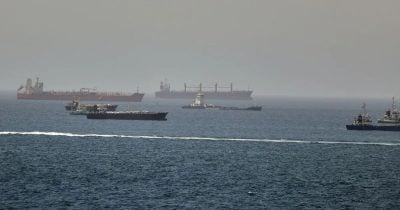
The United Kingdom has deployed a warship to the Middle East for a mission in the Strait of Hormuz, a move that underscores the fragile state of regional security. The vessel’s arrival comes as geopolitical strains in the area show no signs of easing.
The Strait’s Strategic Role
Roughly one-fifth of the world’s oil passes through the narrow waterway linking the Persian Gulf to the open ocean. That makes the Strait of Hormuz a choke point for global energy supplies. Any disruption here can send shockwaves through oil markets and raise the temperature of international diplomacy.
The UK’s decision to station a warship there is not new. London has maintained a naval presence in the region for years. But each fresh deployment signals a recalibration of priorities. This one comes after a series of incidents involving commercial vessels and regional naval forces, though no single event has been cited as the trigger.
Geopolitical Fault Lines
The Middle East remains a patchwork of competing interests. Iran, which borders the strait, has repeatedly warned it could restrict passage in retaliation for sanctions or military action. The UK, along with the United States and other allies, has vowed to keep the waterway open. The result is a constant, low-level standoff that occasionally flares into open confrontation.
Britain’s latest mission is framed as a contribution to maritime security. The warship will patrol alongside other naval assets, though the exact composition of the force has not been disclosed. The goal is deterrence: to show that any attempt to block the strait will face a swift response.
What the Warship Brings
The vessel is equipped for both surveillance and combat. Its crew will monitor shipping lanes and be ready to respond to distress calls. The mission’s scope is defensive, but the presence of a warship always carries an implicit threat. Local commanders will have rules of engagement that allow them to protect themselves and allied vessels if necessary.
Onboard, the daily routine is likely to be one of watchfulness. Sailors will scan the horizon for fast-attack craft or suspicious drones. The heat is oppressive, the work tedious, but the stakes are real. A single miscalculation could escalate quickly.
The Larger Picture
This deployment is not happening in a vacuum. The UK is also navigating post-Brexit trade deals and a shifting relationship with Europe. The Middle East mission is a chance to demonstrate that London remains a global player, even as it redefines its role abroad. The warship’s presence is as much a political statement as a military one.
Regional stability remains fragile. The Strait of Hormuz has seen skirmishes, tanker seizures, and drone attacks in recent years. The UK’s commitment to patrol the waterway is a reminder that the old fault lines have not disappeared. They have simply become more entrenched.
The warship is expected to remain on station for the coming months. No end date has been set for the mission. For now, the crew will watch, wait, and hope that deterrence holds.