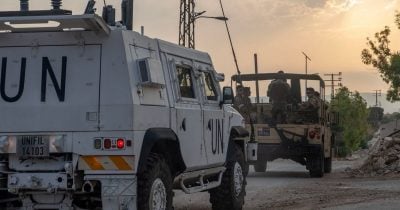
Israel launched airstrikes on Beirut late Tuesday, dramatically widening its military campaign against Hezbollah. The strikes hit multiple targets in the Lebanese capital, marking the first time in years that Israel has taken the fight directly into Beirut's urban core. The move signals a major escalation in a conflict that had largely been confined to southern Lebanon and the Bekaa Valley.
Why the strikes matter
Beirut is Hezbollah's political and operational heart. By striking there, Israel is saying it's willing to take the fight to the group's leadership and infrastructure, not just its border positions. That changes the calculus for everyone involved — the Lebanese government, Iran, and the international community. The strikes also blur the line between a limited counterattack and a broader war.
This isn't a one-off raid. It's part of a pattern of increasing Israeli aggression against Hezbollah going back months. But hitting Beirut is a different category. It risks dragging Lebanon as a whole deeper into the conflict, even if the government in Beirut has little control over Hezbollah's actions.
Peace prospects take a hit
For anyone hoping for a diplomatic off-ramp, this is a setback. The strikes reduce the already slim chances of a negotiated ceasefire. Hezbollah has long said it won't talk under fire, and hitting its capital makes any backchannel diplomacy harder. International mediators — including the U.S. and France — had been pushing for restraint. That effort now looks even more difficult.
The timing matters, too. The escalation comes as the region is already on edge, with the war in Gaza ongoing and tensions with Iran simmering. Each new front makes a wider war more likely, and each escalation makes it harder to step back.
Regional instability and market jitters
The strikes didn't just rattle diplomats. Financial markets took notice. Investors are pricing in a longer, messier conflict. Oil prices ticked up on fears of supply disruptions, and safe-haven assets like gold saw modest gains. The message from the markets is clear: they see no quick resolution here.
Lebanon's economy, already in shambles, faces even more pressure. The strikes could deter tourism, disrupt trade, and scare off any remaining foreign investment. For a country that's been without a functioning government for years, this is another blow it can ill afford.
Israel, too, feels the economic strain. Its defense budget is already stretched by operations in Gaza. A prolonged campaign in Lebanon would mean more money for munitions, reservist call-ups, and border security — money that comes from taxpayers or foreign aid.
What comes next
Neither side has shown an appetite for de-escalation. Hezbollah has promised retaliation, and Israel has signaled it's prepared for more. The question now is whether this remains a series of punishing strikes or spirals into something worse. The region — and the markets — are watching for the next move.