Saudi Arabia is shifting a portion of its oil exports to a more expensive Mediterranean route, a move aimed at reducing reliance on the Strait of Hormuz. The decision comes as regional tensions continue to threaten the narrow waterway, through which about a fifth of the world's petroleum passes. While the alternative path could help stabilize supply, it also risks pushing global oil prices higher.
Why the Strait of Hormuz matters
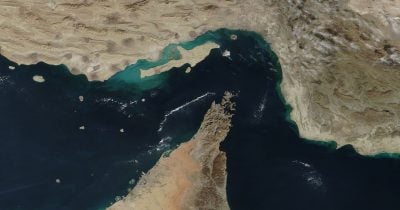
The Strait of Hormuz, a 21-mile-wide channel between Iran and Oman, is the world's most important oil chokepoint. Tankers carrying crude from Saudi Arabia, Iraq, Kuwait, the UAE, and Iran must navigate it to reach open seas. Any disruption — from military conflict to sabotage — can send prices spiking and rattle energy markets. Saudi Arabia, the largest exporter in OPEC, has long sought ways to reduce its vulnerability.
The Mediterranean alternative
The kingdom is now investing in a Mediterranean export route, though details remain scarce. The path is longer and more costly than the direct Hormuz passage, involving either overland pipelines to Red Sea ports or a circuitous tanker journey around Africa. The added expense comes from infrastructure upgrades, higher shipping costs, and potential tolls. Saudi officials have not disclosed the exact investment or timeline, but the shift signals a strategic pivot.
Higher transport costs typically get passed on to buyers. If Saudi Arabia moves a significant volume of crude through the Mediterranean, the extra expense could lift global benchmark prices. At the same time, the move may provide a buffer against sudden Hormuz closures, preventing even sharper price jumps. The net effect on consumers depends on how much oil is rerouted and how long the alternative remains in use.
Regional tensions and supply security
The decision is driven by ongoing instability near the Strait. Iran has threatened to block the waterway in past confrontations, and attacks on tankers and infrastructure have occurred. By diversifying export routes, Saudi Arabia aims to ensure its oil can still reach customers even if the Strait becomes impassable. The Mediterranean option is not a full replacement — it can handle only a fraction of the volume that flows through Hormuz — but it provides a critical safety valve.
The kingdom has not said when the new route will be fully operational or how much crude it will carry. Analysts outside the facts might speculate, but the only certainty is that the shift is underway. The next few months will show whether the added costs are absorbed by Saudi Arabia or passed on to the world.