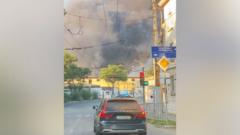
At least 860 buildings have been destroyed by fires in Spokane, Washington, including hundreds of homes. Officials are still working to contain the blazes, which have turned large parts of the city into ash. For crypto markets, the event is a localized disaster with no direct link to trading, but it carries a second-order risk for the region's mining operations.
Why the fires matter for mining
Washington state is a major hub for Bitcoin mining, thanks to its cheap hydroelectric power. The fires could disrupt the power infrastructure that supports those operations. If substations or transmission lines are damaged, miners in the region could face downtime or higher electricity costs. That could temporarily affect network hash rate and miner selling pressure, though the scale of any impact is still unknown.
📊 Market Data Snapshot
Most coverage will treat this as a purely local tragedy, and it is. But crypto media often overlooks the physical dependencies of mining. A fire that takes out a substation can ripple through the network, even if no exchange or wallet is touched.
Relief donations could spike
Past crises, including the war in Ukraine and the Turkey earthquakes, saw a surge in crypto-based disaster relief. Donations in BTC and ETH are fast, borderless, and transparent, which makes them attractive for emergency aid. The Spokane fires could trigger a similar wave, creating a short-term narrative of crypto as a tool for social good.
That narrative might boost retail sentiment, but it's unlikely to move prices. The market is currently driven by macro factors, not by a single city's misfortune.
Hidden infrastructure risk
The destruction may include data centers or small-scale mining facilities that are not publicly disclosed. Crypto media won't investigate whether any known mining or blockchain-related infrastructure was affected, leaving a gap in coverage. Even if no major operations are hit, the event highlights the vulnerability of physical crypto infrastructure to climate-related disasters.
Understanding the geographic concentration of mining is crucial for assessing systemic risk. If a disaster hits a region with hidden crypto infrastructure, it could cause unexpected supply shocks that aren't reflected in market data.
Market outlook
Bitcoin is down 1.70% in the last 24 hours, with the Fear & Greed index at 29, indicating fear. The fires won't change that trajectory. Traders should focus on macro data, BTC dominance, and the prevailing risk-off sentiment. Key support sits around $62,000, with resistance at $65,000.
Officials in Spokane are still working to contain the blazes. The next concrete update will come when they assess the full extent of the damage, including any impact on regional power infrastructure. That's when miners in the Pacific Northwest will know if their operations are at risk.