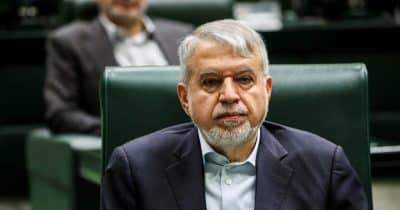
President Donald Trump and Iranian President Masoud Pezeshkian electronically signed a 14-point interim memorandum Wednesday aimed at halting regional military operations and reopening the Strait of Hormuz. The agreement includes provisions for toll-free commercial passage through the strategic waterway, a key chokepoint for global oil shipments. Yet market watchers remain skeptical—Polymarket odds for normal traffic through the strait slipped right after the announcement.
A 14-point interim deal
The memorandum, signed electronically, outlines a temporary framework. The two leaders agreed to stop military operations in the region and restore access to the Strait of Hormuz, which has been disrupted by recent tensions. Toll-free passage is guaranteed for commercial vessels, a move that could ease shipping costs and supply chain bottlenecks. Neither side has released the full text of the 14 points, but the core terms are clear: halt the fighting, reopen the strait, and keep it open without fees.
Market reaction: odds slip
Despite the high-profile signing, prediction markets show doubt. On Polymarket, the probability of normal traffic through the Strait of Hormuz fell after the announcement. Traders are pricing in the possibility that the agreement may not hold or that enforcement will be slow. The slide suggests the market believes implementation faces obstacles—whether from hardliners in either country, logistical challenges, or a lack of trust.
What happens next
The memorandum is interim, meaning both sides will need to negotiate a permanent deal within a set timeframe. No deadline has been disclosed. The Strait of Hormuz handles roughly a fifth of the world's oil supply, so even a brief disruption can rattle energy markets. For now, the question is whether the electronic signatures will translate into real-world calm—or if the odds will keep slipping.