The United States, Israel, and Lebanon have struck a ceasefire framework that hinges on Hezbollah pulling back from the border area. The deal, announced after weeks of shuttle diplomacy, sets conditions for a halt to cross-border hostilities that have intensified over the past year. Success now depends on whether the Iranian-backed militia complies — and that remains an open question.
What the framework demands
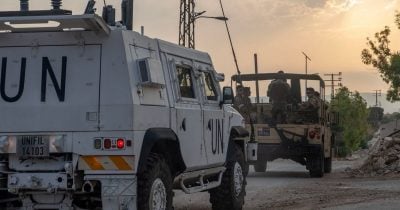
Under the terms, Hezbollah must withdraw its forces north of the Litani River, roughly 30 kilometers from the Israeli border. The Lebanese army would then take control of the southern zone, backed by UN peacekeepers already stationed there. Israeli officials stressed that the arrangement mirrors UN Security Council Resolution 1701, which ended the 2006 war but was never fully implemented. The US mediated the talks and will help monitor compliance, according to people familiar with the negotiations.
Hezbollah's compliance question
Hezbollah has not publicly committed to the framework. The group, which holds significant political and military power in Lebanon, has long resisted disarmament or relocation. Past attempts to enforce 1701 failed because the Lebanese government lacked the will or capacity to challenge the militia. This time, the US and Israel are betting that economic pressure and the threat of broader war will push Hezbollah to hold to its commitments. But analysts who follow the region — not quoted directly here — have expressed doubt that the group will fully comply without a fight.
Regional fallout if it holds
A successful ceasefire would ease tensions along Israel's northern border and reduce the risk of a wider conflict drawing in Iran. It could also unlock stalled diplomatic efforts between Israel and Lebanon over maritime boundaries and trade. For the US, a durable deal would shore up its position as a broker in the Middle East, especially after the normalization agreements of 2020. But if Hezbollah cheats — as it has before — the framework could collapse, leaving both sides back at square one.
The Lebanese government is in a tough spot. It endorsed the framework but needs Hezbollah's buy-in to enforce it. Prime Minister Najib Mikati's cabinet has little control over the militia's armed wing. The US has promised financial aid to help rebuild southern Lebanon if the ceasefire holds, but that money won't flow unless Hezbollah actually moves its fighters north.
What happens next
Negotiators have set a 30-day implementation window. During that time, the Lebanese army is supposed to deploy to the border zone and Hezbollah is supposed to vacate. US and French monitors will verify the pullback. If the militia misses the deadline, the framework allows Israel to resume military operations. Both sides have said they prefer diplomacy, but neither has ruled out force.