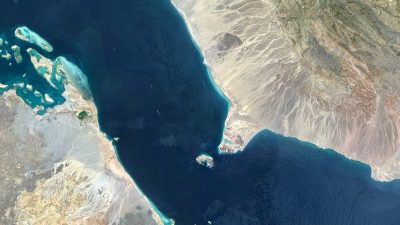
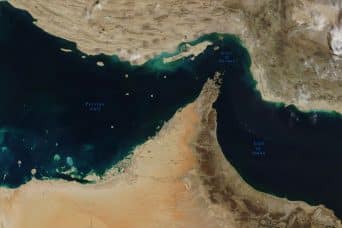
The US Navy has imposed a blockade in the Strait of Hormuz, throwing one of the world's most crucial oil transit chokepoints into turmoil. The move comes amid rising tensions in the region and is already sending shockwaves through global energy markets. Traffic through the narrow waterway, which handles roughly a fifth of the world's petroleum consumption, has been severely disrupted.
Impact on global energy markets
The blockade is hitting energy markets hard. Oil prices have spiked as traders factor in the risk of prolonged disruption. The Strait of Hormuz connects Persian Gulf producers — including Saudi Arabia, Iran, Iraq, Kuwait, and the United Arab Emirates — to key export routes. Any interruption in flow there directly affects supply chains and fuel costs worldwide.
Analysts are watching stockpile data and contingency shipments from other regions. But the immediate effect is clear: uncertainty. Shipping companies are rerouting or pausing operations, adding delays and costs. The longer the blockade stays in place, the more pressure builds on already tight global fuel inventories.
Escalating geopolitical tensions
The blockade is not just an economic lever — it's a direct escalation of regional hostilities. The US move exacerbates long-running friction with Iran, which has repeatedly threatened to close the strait in past confrontations. Now it's an American naval force doing the blocking, flipping the script and raising the stakes.
Allied nations and Gulf states are watching nervously. The blockade risks drawing in other powers and complicating existing diplomatic channels. What was already a tense patch of water has become a flashpoint where a single miscalculation could spiral into broader conflict.
Diminished prospects for diplomatic resolution
One of the most significant consequences of the blockade is how it undermines the chances for a quick diplomatic fix. The move hardens positions on all sides. Mediators who might have brokered talks now face a much tougher environment. The blockade signals that the US is willing to apply maximum pressure rather than pursue negotiation.
Efforts by international bodies to de-escalate have stalled. The United Nations and regional partners have called for restraint, but no concrete proposals have gained traction. With the strait effectively shut to normal traffic, the window for a diplomatic off-ramp is narrowing.
No timeline has been given for how long the blockade will remain in force. The immediate question is whether the disruption will be measured in days or months — and what that will mean for the global economy and regional stability.