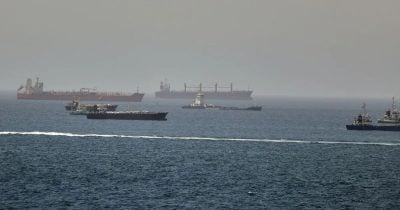
A growing number of vessels are gathering off the coast of Dubai, a sign that shipping companies are bracing for trouble in the Strait of Hormuz. The buildup comes as Iranian authorities step up their assertion of control over the narrow waterway, a move that could snarl global trade and send shipping costs climbing.
Why the fleet is waiting
Shipping firms are parking their cargo ships and tankers near Dubai, essentially a holding pattern. They're waiting to see if it's safe to transit the strait before committing to routes that go through the chokepoint. The Strait of Hormuz is the passage for about a fifth of the world's oil. Any disruption there rattles the entire supply chain.
Right now, the vessels aren't moving. That's a clear signal that companies are unwilling to risk sending their ships into what they see as a volatile zone. Insurance premiums for transit through the strait have already started climbing, and that cost will eventually land on consumers.
What Iran's assertion means
Iran has been tightening its presence in and around the strait for weeks. The exact nature of the control—whether it's inspections, delays, or outright restrictions—isn't fully clear. But the effect is the same: ships are hesitating, and the normal flow of goods is at risk.
The Strait of Hormuz is narrow, just 21 miles wide at its narrowest point. That makes it easy to monitor and hard to bypass. Even a vague threat of interference is enough to make shippers look for alternatives. But there aren't many. The only other route for Gulf oil requires going around the Arabian Peninsula and through the Bab el-Mandeb strait, which is longer and has its own security problems.
What's at stake for global trade
If the situation drags on, shipping costs could spike. Longer waiting times at Dubai mean higher demurrage fees. If vessels have to reroute, fuel costs go up. And oil prices—already sensitive to any Middle East tension—could jump.
Past standoffs in the strait have led to brief price surges, but this time the clustering of vessels suggests the industry is taking it more seriously. The big unknown is how long the ships will sit idle. Each day of delay pushes supply chains closer to breaking point.
The next few weeks will tell whether Iran's posture is a negotiating tactic or a full-blown blockade. In the meantime, the vessels off Dubai will keep growing in number—and the global economy will keep watching.