The conflict in Iran is disrupting global oil supply, and the effects are moving fast through the trade that keeps the world's energy economy running. Crude that was supposed to move is now stuck in limbo, with deliveries being renegotiated, rerouted, or shelved entirely. Buyers are left to work out what they can still count on.
The routes in question
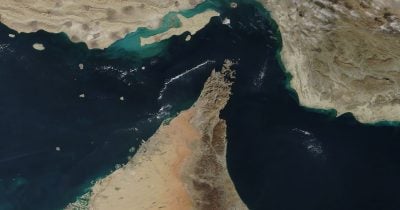
The fighting has thrown the region's key shipping lanes into doubt. Tankers aren't stopping all at once, but they are slowing, and every day of delay is a day of lost deliveries. Cover for those transits is getting harder to arrange, and operators are split — some pulling back, others betting the disruption will pass quickly. The result is a supply chain that no longer runs on schedule.
This goes beyond a headline. Oil is traded everywhere, and a snag at the source becomes a problem for buyers far away. A cargo that doesn't reach one port is a cargo another buyer expected to see. The strain is spreading across refineries, storage tanks, and the prices quoted on the next deal.
What buyers are doing
Buyers are adapting to a market that has changed shape. Those who took steady deliveries for granted are now looking at their reserves and asking how long they'll last. Some are searching for alternative sources, but there's no easy switch — the routes are the same, the costs are higher, and the supply is thin.
Refiners face the same calculation. They have to decide whether to run at full capacity or scale back, knowing the feedstock might not show up. It's not a choice anyone wants to make, but it's the one in front of them.
The disruption doesn't need to be total to matter. Even the threat of it is enough to make the market nervous, and traders are pricing in the risk before the barrels actually vanish.
The open question
The core problem is that nobody knows how long this will last. The conflict has no clean exit in sight, and the global supply system has little slack built into it. Each day of disruption deepens the problem for the buyers and refiners who depend on that oil.
For now, the market waits. The next signal is up to the conflict itself — whether it de-escalates and lets the crude flow again, or whether it drags on and forces a harder reckoning. That's the question everyone is watching.