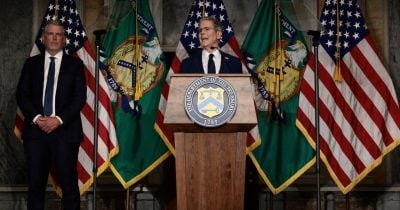
Stanley Druckenmiller says Treasury Secretary Scott Bessent is fighting the wrong battle. In a blunt critique, the legendary investor called the department's bond buyback plan a mistake, warning that governments which try to muscle through market fundamentals always end up losing. The comment landed the same week the Treasury said it would at least double the size of its buyback operations, lifting the ceiling from $2 billion to $4 billion per operation starting September 9.
An Early Effect That Faded Fast
The move came as the 30-year Treasury yield touched its highest level in nearly two decades, and with the national debt now sitting above $40 trillion. On paper, the buyback was supposed to soothe nerves. Yields did fall sharply right after the announcement, but the effect evaporated the next day, with the long bond climbing back toward where it was before Bessent spoke.
Strategists have described the plan as a temporary patch, not a fix for the deeper fiscal pressures weighing on the market. Iran-related tensions have also added to the strain in recent weeks, keeping a bid under safe-haven demand while longer-dated yields stay stubbornly high.
Druckenmiller's Pushback
Druckenmiller's argument cuts against the Treasury's stated logic. He contends that the 10-year yield sits near the economy's nominal growth rate, which makes financial conditions accommodative rather than restrictive. In that reading, the bond market isn't being a vigilante demanding discipline; it's being a pushover. Which means the problem isn't a liquidity squeeze — it's the fiscal path itself.
His critique carries a personal edge. Druckenmiller mentored Bessent early in his hedge fund career, and the two worked together under George Soros. Bessent reportedly spoke with Druckenmiller daily while running his own funds. This isn't a stranger throwing rocks from the cheap seats; it's a former teacher telling his student the lesson didn't stick.
Bessent's Defense
Bessent pushed back, defending the buybacks as routine liquidity operations rather than an attempt to artificially suppress rates. The Treasury, he said, has "a big toolkit" and could expand purchases further if needed. The phrasing left room for more action down the line, but it didn't shift the core complaint: that the program treats a symptom while the debt load keeps growing.
The question of happens next remains open. Bessent may scale the buybacks back or push them even bigger. A lot could depend on how Federal Reserve Chairman Kevin Warsh addresses long-term rates when he speaks at Jackson Hole. If Warsh signals the Fed isn't about to ride to the rescue, the buyback's limits become a lot more visible. If he suggests the Fed is watching the long end, the calculus changes for everyone.
That's the open question now. Bessent says he has tools. Druckenmiller says tools lose to fundamentals. The next data point comes when Warsh speaks.