Iran has threatened to close key strategic waterways amid rising tensions with the United States, a move that could disrupt global oil shipments and rattle already fragile energy markets. The warning, issued by Iranian officials, signals a sharp escalation in the long-running standoff between the two countries.
The threat to the Strait of Hormuz
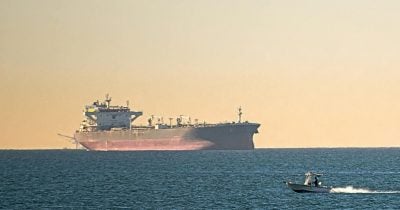
The Strait of Hormuz, a narrow passage between the Persian Gulf and the Gulf of Oman, is the world's most important oil chokepoint. Roughly 20 million barrels of crude pass through it daily — about a fifth of global consumption. Iran has previously threatened to block the strait during past confrontations, but this time the rhetoric comes as the US has increased naval presence in the region and imposed new sanctions on Tehran.
Closing the waterway would require Iran to deploy mines, anti-ship missiles, and fast-attack boats. The US Navy's Fifth Fleet, based in Bahrain, has conducted exercises to practice keeping the strait open. Any actual blockade would almost certainly trigger a military response.
Impact on oil markets
Oil prices have already been volatile, and the threat adds a new layer of uncertainty. Traders are watching for any sign of disruption. A closure of the Strait of Hormuz would cut off supply from Saudi Arabia, Iraq, Kuwait, the United Arab Emirates, and Qatar — all of which rely on the waterway for exports. Analysts warn that even a temporary shutdown could send crude prices soaring, potentially triggering a global economic slowdown.
The threat also comes as the US is trying to pressure Iran to return to nuclear negotiations. Washington has said it wants a diplomatic solution, but the two sides remain far apart. Iran's economy has been battered by sanctions, and the regime may see the waterway threat as leverage.
Geopolitical fallout
Beyond oil, the threat raises the risk of a broader conflict in the Middle East. Iran has proxies in Yemen, Lebanon, Syria, and Iraq that could be activated. The US has allies in the region, including Saudi Arabia and Israel, that have their own reasons to confront Iran. Any miscalculation could draw in multiple countries.
The international community has called for restraint. The United Nations has urged both sides to avoid escalation. But with no direct talks between Washington and Tehran, the situation remains volatile. The next few weeks will be critical as the US decides how to respond to the threat.
Whether Iran will actually follow through on its warning is unclear. The country has made similar threats before without acting. But the current standoff is different — the US has withdrawn from the nuclear deal, and Iran has been enriching uranium beyond agreed limits. The risk of a direct confrontation is higher than it has been in years.