SoftBank founder and CEO Masayoshi Son has set his sights on what he calls the next trillion-dollar opportunity — an ambitious project that could reshape U.S. tech manufacturing while giving a major lift to artificial intelligence and robotics. But the scale of the undertaking comes with serious execution hurdles.
A bet on American factory floors
Son, who has a track record of billion-dollar gambles through the Vision Fund, is now pointing his focus toward rebuilding parts of the U.S. manufacturing base with a heavy dose of advanced technology. The plan, as described by people familiar with Son’s thinking, would aim to bring production of key components back to American soil, leveraging AI and robotics to compete with global rivals.
The idea isn't new in concept, but the proposed scale is. Son has previously made splashy bets on companies like Arm and WeWork, and his latest target appears to be the marriage of hardware and software on factory floors. He sees a chance to dominate a market that combines high-tech manufacturing with artificial intelligence — a sector that has so far been largely ceded to Asia.
AI and robotics at the core
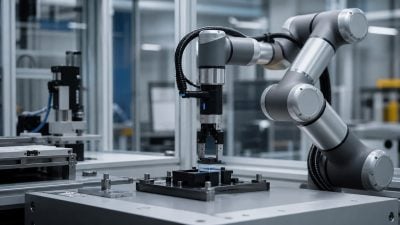
Central to the plan is the use of advanced robotics and AI systems to automate production lines. Son has long argued that AI will eventually surpass human intelligence, and he wants to build the infrastructure that manufactures the chips, sensors, and machines that make that possible. The project would also feed directly into SoftBank’s existing portfolio, which includes stakes in robotics firms like Boston Dynamics and chip designer Arm.
If successful, the initiative could create thousands of high-skilled jobs and reduce reliance on foreign supply chains. But it would require massive upfront investment, far beyond the billions SoftBank has already committed to its tech bets.
The execution challenge
Even for a billionaire known for his ambitious moon shots, the plan presents steep obstacles. Building new factories, securing raw materials, and training a workforce capable of running AI-driven production lines won't happen quickly or cheaply. Son’s prior large-scale projects have sometimes stumbled — SoftBank’s WeBook bet soured, and its early push into telecom equipment didn't pan out as expected.
Regulatory hurdles are another unknown. U.S. trade policy, export controls on advanced chips, and local labor laws could slow timelines. And competitors won't sit still. China and other nations are already pouring resources into similar efforts.
The question now is whether Son can actually pull off a project of this magnitude. He hasn't yet disclosed a detailed roadmap or a specific timeline. What is clear is that he's convinced the prize is worth the risk — and that the window for action is narrowing.