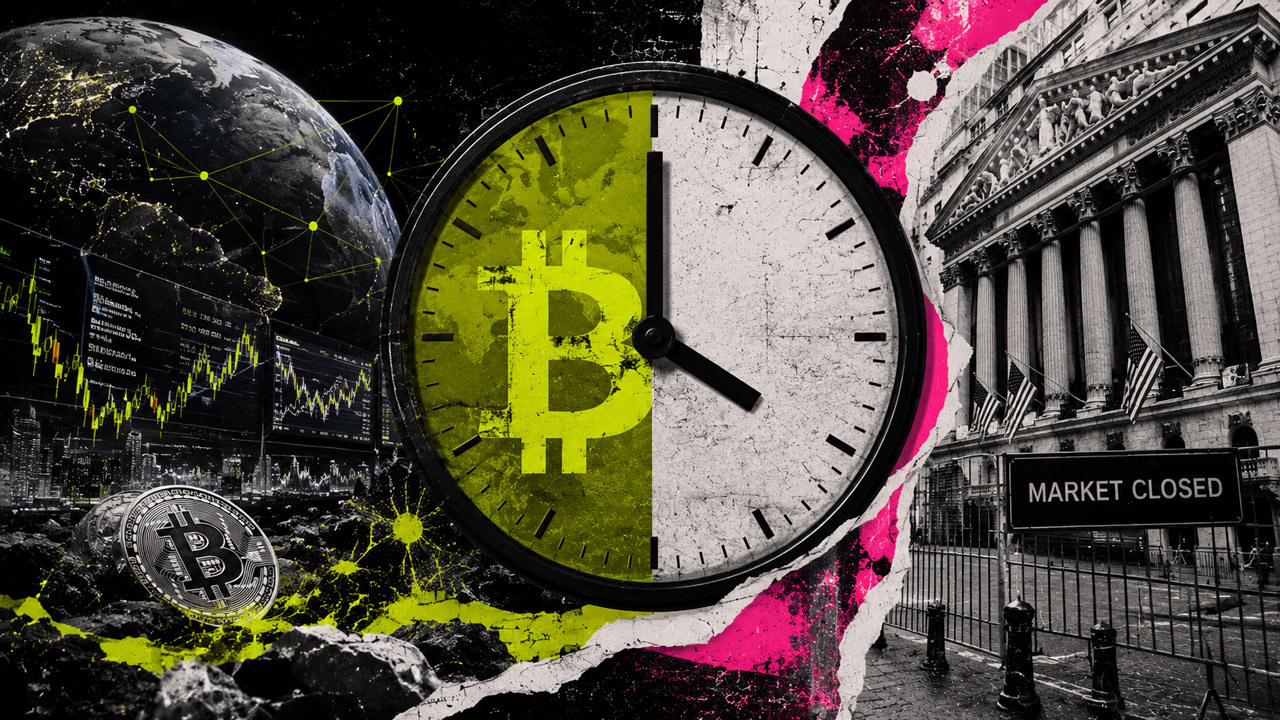
The Chicago Mercantile Exchange and the New York Stock Exchange are pressing lawmakers in Washington to bring Hyperliquid under regulatory oversight. Their lobbying push, driven by concerns that the decentralized platform could enable market manipulation and sanctions evasion, marks a significant escalation in the old guard's effort to police crypto's frontier.
Why the push for regulation
CME and NYSE argue that Hyperliquid's structure—a decentralized exchange with no central gatekeeper—creates a blind spot for regulators. Without a clear entity to hold accountable, they say, bad actors could exploit the platform to rig prices or funnel money to sanctioned countries. The two exchanges have been meeting with staff from key congressional committees and the Treasury Department, according to people familiar with the matter. Their message: Hyperliquid isn't just a rival; it's a loophole.
What Hyperliquid is
Hyperliquid is a decentralized trading platform built on its own layer‑1 blockchain. It lets users trade perpetual futures and spot assets without an intermediary. That design has won it a loyal following—daily volume often tops a billion dollars—but it also means there's no company to sue or regulator to audit. Critics call it a black box; supporters call it the future. Either way, the platform sits squarely outside the traditional financial system that CME and NYSE dominate.
Potential fallout for decentralized trading
If Washington listens to the lobbying push, the consequences could ripple far beyond Hyperliquid. Regulating a single decentralized exchange might set a precedent: that any protocol with enough volume can be targeted, even if it has no headquarters or CEO. That could force other DeFi projects to build in compliance mechanisms—know‑your‑customer checks, transaction screening, reporting tools—or risk being shut out of the U.S. market. Some in crypto argue that would kill the whole point of decentralization. Others say it's the only way the industry gets past its outlaw image.
No bill has been introduced yet, but the lobbying isn't happening in a vacuum. Several congressional hearings on crypto market structure are scheduled for early next year. CME and NYSE want Hyperliquid high on the agenda. The question now is whether lawmakers will treat it as a one‑off problem or use it as a wedge for broader DeFi regulation—and whether Hyperliquid's developers, who remain anonymous, will respond at all.