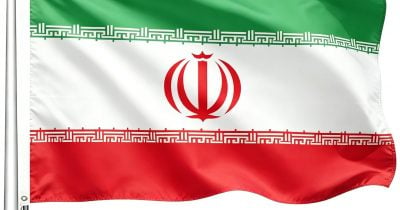
Iran launched attacks targeting military bases in Kuwait and Jordan early Thursday, hours after US airstrikes escalated the conflict in the region. The strikes mark a significant broadening of the confrontation, hitting two countries that had not previously been directly involved in hostilities.
The attacks and their immediate impact
Iranian forces struck at least three military installations in Kuwait and two in Jordan, according to reports from the region. The bases targeted are used by US and coalition personnel. Casualty figures remain unclear, but local authorities confirmed damage to infrastructure. The attacks came in direct response to US airstrikes that killed several Iranian commanders earlier this week.
Kuwait and Jordan have both condemned the strikes. Kuwait’s foreign ministry called them a “flagrant violation” of sovereignty. Jordan placed its military on high alert. Neither country has announced plans to retaliate, but the situation is volatile.
Diplomatic fallout and nuclear deal uncertainty
The escalation complicates already fragile diplomatic efforts, including hopes for reviving the 2015 nuclear deal. Talks had been stalled for months. Now, with direct attacks on two US allies, the path to any negotiated settlement looks even narrower. European mediators have expressed frustration, and the US has signaled it will not engage in talks while under fire.
Iran’s leadership has framed the strikes as self-defense, but the move isolates them further. The nuclear deal’s remaining signatories—China, Russia, France, Germany, and the UK—face pressure to respond. Any new sanctions or military posturing could push the region closer to a wider war.
Market jitters and regional instability
Oil prices jumped more than 4% in early trading on fears of supply disruptions. The Strait of Hormuz, a critical chokepoint for global oil shipments, lies near the conflict zone. Investors moved into safe-haven assets like gold and US Treasuries. Stock markets in the Gulf region saw sharp declines.
The attacks also raise the risk of a broader proxy war. Iran has long used allied militias across the Middle East. Striking Kuwait and Jordan directly—rather than through proxies—is a notable shift. It suggests Tehran is willing to escalate beyond its usual shadow-war tactics.
For now, the immediate question is whether the US will retaliate further, and whether Iran will continue its strikes. The next steps remain unclear as both sides weigh their options.