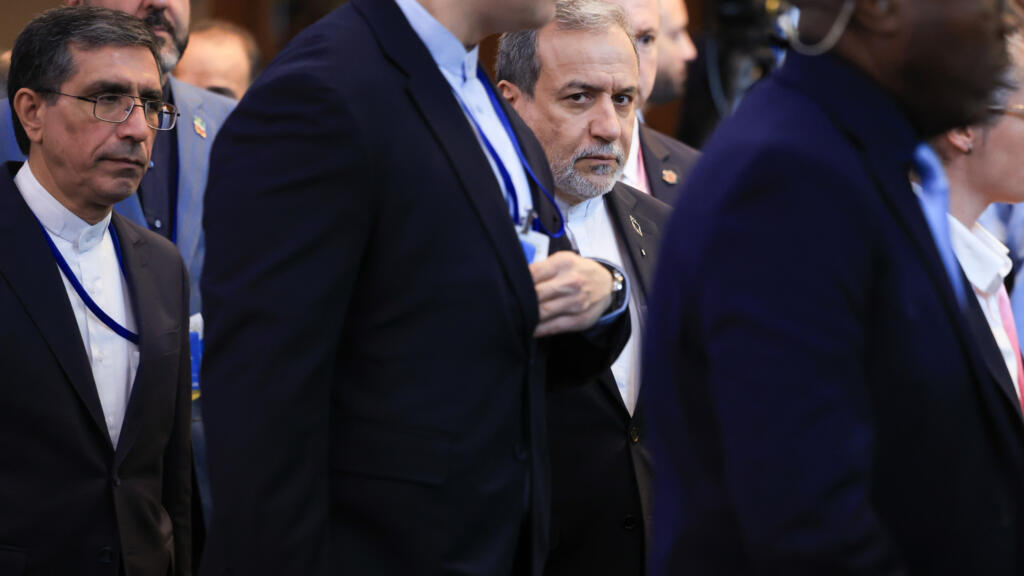
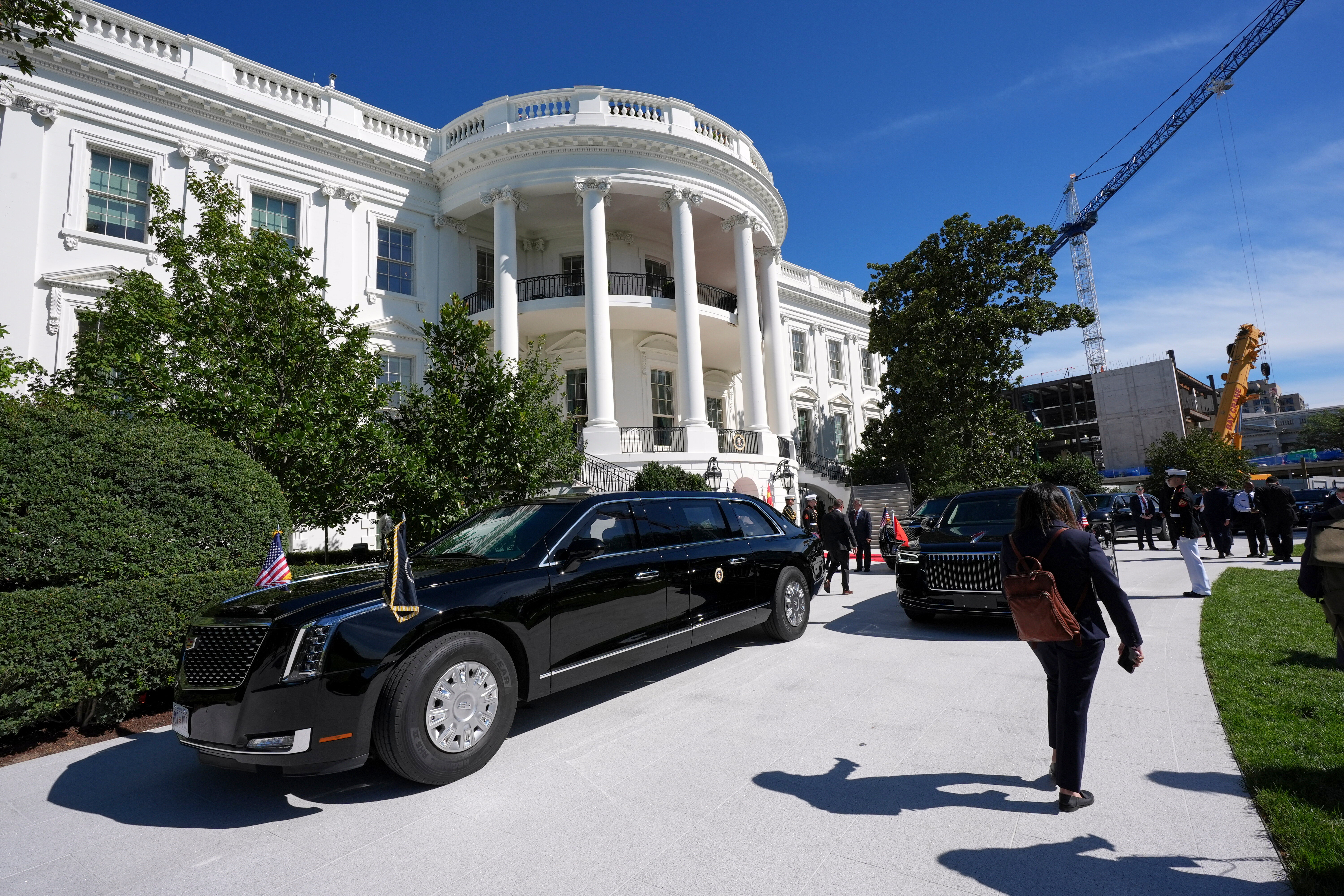
President Donald Trump sat down with Saudi Arabia's defense minister this week, a meeting that comes as the White House weighs its next moves against Iran. The encounter, held behind closed doors, could mark a turn toward diplomatic channels after months of escalating rhetoric and military posturing.
Why the meeting was called
The Saudi defense minister's visit to Washington wasn't publicly announced in advance. But the timing is hard to ignore. Iran has been expanding its nuclear program, and the U.S. has responded with new sanctions and a buildup of naval assets in the Persian Gulf. The Saudis, who view Tehran as their primary regional rival, have been pressing for a tougher American stance. Now, with this meeting, some analysts see a possible opening for talks — though the administration hasn't confirmed any shift in policy.
Trump has long oscillated between threats and offers to negotiate. He pulled the U.S. out of the 2015 nuclear deal in 2018, calling it a disaster, but has also said he's willing to talk to Iranian leaders without preconditions. The Saudi defense minister's role in any potential dialogue remains unclear, but Riyadh has historically acted as a backchannel between Washington and Tehran.
Geopolitical tremors in the Middle East tend to rattle oil markets, and this meeting is no exception. Crude prices have been volatile in recent weeks, driven by fears of a supply disruption if conflict breaks out. A diplomatic turn could ease those fears, pushing prices down. But if the meeting leads nowhere, the opposite could happen. Traders are watching closely for any signal from the White House or the Saudi delegation.
The defense minister's portfolio includes overseeing Saudi Arabia's massive arms purchases from the U.S. Any change in the bilateral relationship could affect future defense contracts, a multibillion-dollar business for American manufacturers. So far, no deals have been announced.
Investors are also eyeing the broader regional picture. Saudi Arabia and Iran have been fighting a proxy war in Yemen for years. A U.S.-led diplomatic push might open the door to a ceasefire there, which would remove one layer of uncertainty from global supply chains.
What comes next
The White House hasn't released a readout of the meeting. No joint statement has been issued. The next public step could come from the State Department or from Trump himself, who often uses social media to announce major policy shifts. For now, the question hanging over the meeting is simple: Was this a one-off chat, or the start of something bigger?