Why the framing matters
By presenting the talks as bilateral with Oman, Tehran avoids the political cost of direct engagement with Washington. The US has long accused Iran of threatening navigation through the strait, where about a fifth of global oil passes. Iran, for its part, insists on its right to control the waterway under international law.
Oman has historically served as a mediator between Iran and Western powers. Its neutral stance and close ties to both Tehran and Washington make it a credible go-between. This framing allows Iran to negotiate without appearing to bow to US pressure.
Potential impact on regional diplomacy
The move could lower the temperature in the Persian Gulf. Direct US-Iran talks have been rare since the 1979 revolution, and even indirect ones have stalled repeatedly. By working through Oman, both sides can test the waters without committing to a formal dialogue.
Analysts say this approach might also reassure Gulf Arab states, who worry about any US-Iran deal that ignores their security concerns. Oman's involvement adds a layer of regional legitimacy.
What's at stake in the Strait
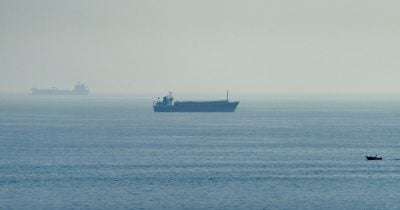
The Strait of Hormuz is a narrow passage between Iran and Oman. Roughly 20% of the world's oil passes through it. Any disruption—from mines, attacks, or blockades—would send energy prices soaring. Iran has threatened to close the strait in the past when tensions spiked.
Talks focused on maritime security and freedom of navigation could reduce the risk of accidental confrontation. The US Navy's Fifth Fleet is based in Bahrain, just across the Gulf. Even without a seat at the table, Washington will watch closely.
No timeline has been announced for the talks. Oman's foreign ministry has not commented publicly. But the very fact that Iran is describing them as Omani-mediated suggests a shift in tone—if not yet in policy.
Translate: First paragraph: "Iran is framing discussions over the Strait of Hormuz as negotiations with Oman, a move that keeps the United States at arm's length while still pursuing a diplomatic channel. The strategic choice could reshape how the region handles one of the world's most critical oil chokepoints." -> "Iran membingkai diskusi tentang Selat Hormuz sebagai negosiasi dengan Oman, sebuah langkah yang menjaga Amerika Serikat pada jarak tertentu sambil tetap mengejar jalur diplomatik. Pilihan strategis ini dapat mengubah cara kawasan menangani salah satu titik tersumbat minyak paling kritis di dunia." But "framing" could be "menyebut" or "memposisikan". I'll use "membingkai" but it's a bit literal. Better: "Iran menyebut pembicaraan Selat Hormuz sebagai negosiasi dengan Oman" but then "a move that keeps..." -> "langkah yang menjaga AS pada jarak tertentu sambil tetap mengejar jalur diplomatik." I'll go with: "Iran membingkai diskusi tentang Selat Hormuz sebagai negosiasi dengan Oman, sebuah langkah yang menjaga Amerika Serikat pada jarak tertentu sambil tetap mengejar jalur diplomatik. Pilihan strategis ini dapat mengubah cara kawasan menangani salah satu titik tersumbat minyak paling kritis di dunia." But "chokepoint" is "titik tersumbat" or "titik rawan". I'll use "titik rawan" but "oil chokepoint" is "titik tersumbat minyak" or "titik kritis minyak". I'll use "titik tersumbat minyak". Second heading: "Why the framing matters" -> "Mengapa pembingkaian ini penting" or "Mengapa cara pandang ini penting" but "framing" is "pembingkaian" or "penyajian". I'll use "Mengapa pembingkaian ini penting". Paragraph: "By presenting the talks as bilateral with Oman, Tehran avoids the political cost of direct engagement with Washington. The US has long accused Iran of threatening navigation through the strait, where about a fifth of global oil passes. Iran, for its part, insists on its right to control the waterway under international law." -> "Dengan menyajikan pembicaraan sebagai bilateral dengan Oman, Teheran menghindari biaya politik dari keterlibatan langsung dengan Washington. AS telah lama menuduh Iran mengancam navigasi melalui selat tersebut, di mana sekitar seperlima minyak dunia melewatinya. Iran, pada bagiannya, menegaskan haknya untuk mengendalikan jalur air tersebut berdasarkan hukum internasional." Next paragraph: "Oman has historically served as a mediator between Iran and Western powers. Its neutral stance and close ties to both Tehran and Washington make it a credible go-between. This framing allows Iran to negotiate without appearing to bow to US pressure." -> "Oman secara historis telah menjadi mediator antara Iran dan kekuatan Barat. Sikap netralnya dan hubungan dekatnya dengan Teheran dan Washington menjadikannya perantara yang kredibel. Pembingkaian ini memungkinkan Iran untuk bernegosiasi tanpa terlihat tunduk pada tekanan AS." Heading: "Potential impact on regional diplomacy" -> "Dampak potensial pada diplomasi regional" Paragraph: "The move could lower the temperature in the Persian Gulf. Direct US-Iran talks have been rare since the 1979 revolution, and even indirect ones have stalled repeatedly. By working through Oman, both sides can test the waters without committing to a formal dialogue." -> "Langkah ini dapat menurunkan suhu di Teluk Persia. Pembicaraan langsung AS-Iran jarang terjadi sejak revolusi 1979, dan bahkan yang tidak langsung pun sering macet. Dengan bekerja melalui Oman, kedua belah pihak dapat menguji situasi tanpa berkomitmen pada dialog formal." Next: "Analysts say this approach might also reassure Gulf Arab states, who worry about any US-Iran deal that ignores their security concerns. Oman's involvement adds a layer of regional legitimacy." -> "Para analis mengatakan pendekatan ini juga dapat meyakinkan negara-negara Arab Teluk, yang khawatir tentang kesepakatan AS-Iran yang mengabaikan masalah keamanan mereka. Keterlibatan Oman menambah lapisan legitimasi regional." Heading: "What's at stake in the Strait" -> "Apa yang dipertaruhkan di Selat" Paragraph: "The Strait of Hormuz is a narrow passage between Iran and Oman. Roughly 20% of the world's oil passes through it. Any disruption—from mines, attacks, or blockades—would send energy prices soaring. Iran has threatened to close the strait in the past when tensions spiked." -> "Selat Hormuz adalah jalur sempit antara Iran dan Oman. Sekitar 20% minyak dunia melewatinya. Gangguan apa pun—dari ranjau, serangan, atau blokade—akan membuat harga energi melonjak. Iran telah mengancam akan menutup selat tersebut di masa lalu ketika ketegangan meningkat." Next: "Talks focused on maritime security and freedom of navigation could reduce the risk of accidental confrontation. The US Navy's Fifth Fleet is based in Bahrain, just across the Gulf. Even without a seat at the table, Washington will watch closely." -> "Pembicaraan yang berfokus pada keamanan maritim dan kebebasan navigasi dapat mengurangi risiko konfrontasi yang tidak disengaja. Armada Kelima Angkatan Laut AS berbasis di Bahrain, tepat di seberang Teluk. Bahkan tanpa kursi di meja perundingan, Washington akan mengawasi dengan cermat." Last paragraph: "No timeline has been announced for the talks. Oman's foreign ministry has not commented publicly. But the very fact that Iran is describing them as Omani-mediated suggests a shift in tone—if not yet in policy." -> "Belum ada jadwal yang diumumkan untuk pembicaraan tersebut. Kementerian luar negeri Oman belum berkomentar secara publik. Tetapi fakta bahwa Iran menggambarkannya sebagai mediasi