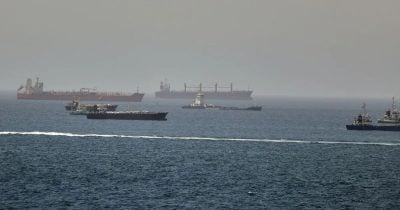
Renewed attacks in the strategic Hormuz region are driving fresh uncertainty through global oil markets. The latest incidents, reported over the weekend, mark a sharp escalation in the long-running standoff between the United States and Iran. Diplomats on both sides have yet to signal any path toward de-escalation.
The latest incidents
Witnesses described a series of strikes near commercial shipping lanes in the Strait of Hormuz, a narrow waterway that handles about a fifth of the world's petroleum. No group immediately claimed responsibility, but the attacks follow a pattern of tit-for-tat actions linked to the broader US-Iran rivalry. Iranian authorities denied involvement, while US officials pointed to Tehran-backed forces. The exact number of vessels affected remains unclear, though none reported major damage or casualties.
This is not the first flare-up in the region this year. But analysts note the timing is particularly sensitive. Oil markets were already on edge after production cuts by major exporters and a slowdown in global demand. The Hormuz attacks add a fresh layer of risk — one that traders are pricing in almost instantly.
Impact on oil markets
Benchmark crude prices jumped more than 3% within hours of the news breaking. Brent crude traded above $85 a barrel Monday morning, a level not seen in weeks. The spike reflects fear of supply disruptions: if the Strait of Hormuz were to close, even temporarily, it could cut off millions of barrels a day from the global market. Insurance premiums for tankers transiting the area have also risen, a sign that shipping companies are bracing for more trouble.
But the market reaction hasn't been uniform. Some traders say the price move is an overreaction — a short-term panic that will fade if the attacks don't escalate further. Others argue that the cumulative effect of repeated incidents is eroding confidence in the region's stability, pushing investors to demand a permanent risk premium on oil from the Middle East.
Diplomatic deadlock
The attacks come at a moment when diplomatic efforts to ease US-Iran tensions have stalled. Indirect talks in Oman broke down last month over disagreements on nuclear enrichment and sanctions relief. Neither Washington nor Tehran appears willing to make the first concession. The renewed hostilities in Hormuz make any resumption of negotiations even more complicated.
Iran's foreign ministry released a statement condemning the attacks and calling for regional dialogue, but offered no concrete steps. The US State Department said it was monitoring the situation and coordinating with allies. Behind the scenes, European mediators are struggling to find a formula that could bring both sides back to the table. The problem: each new attack hardens positions on both ends.
For now, the waterway remains open. Ships are still moving, though with extra caution. The question hanging over the market — and over the diplomatic track — is whether the latest round of violence will prove to be another temporary spike or the beginning of a more sustained confrontation. There's no clear answer yet.