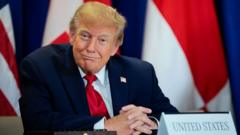
The United States and Saudi Arabia signed a civilian nuclear cooperation agreement on July 22. President Donald Trump has since stated the deal will not proceed unless Saudi Arabia normalizes relations with Israel through the Abraham Accords.
The July 22 agreement
The deal, signed in Washington, allows for U.S. companies to share nuclear technology with Saudi Arabia for peaceful energy projects. It is part of a broader push to strengthen ties between the two countries. But the agreement itself does not include any requirement for Saudi recognition of Israel.
Trump's condition
Trump made his position clear in remarks following the signing. He said the nuclear cooperation would not go forward without Saudi Arabia joining the Abraham Accords, the U.S.-brokered normalization deals that have already seen the United Arab Emirates, Bahrain, Morocco, and Sudan establish ties with Israel. The president tied the two issues together, effectively making the nuclear deal a bargaining chip for Middle East diplomacy.
What the Abraham Accords require
The accords call for full diplomatic recognition, trade, and security cooperation between Israel and Arab states. Saudi Arabia has so far held back, citing the need for progress on a Palestinian state. Trump's condition puts Riyadh in a difficult spot: accept normalization and gain access to U.S. nuclear technology, or refuse and lose the deal.
Reactions and next steps
Saudi officials have not publicly responded to Trump's condition. The kingdom has long sought a civilian nuclear program to diversify its energy mix and reduce reliance on oil. But the normalization demand adds a political layer that could delay or derail the agreement. The deal now awaits congressional review, a process that typically takes 90 days. Whether Saudi Arabia will move toward normalization in that window remains an open question.