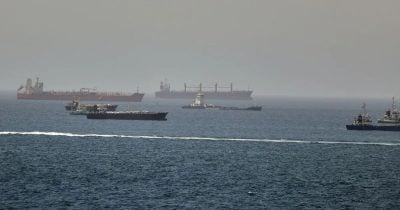
The United Nations has issued a stark warning that a blockade of the Strait of Hormuz — a direct result of Iran's ongoing war — is causing widespread starvation in Somalia. The critical maritime passage, through which much of the region's food and fuel flows, has been effectively shut, severing essential supply lines to the Horn of Africa nation.
The blockade's impact on Somalia
Somalia, already battered by drought and internal conflict, now faces a man-made famine. The strait's closure blocks shipments of grain, cooking oil, and medical aid that the country relies on for survival. Without those imports, the UN warns, starvation is spreading rapidly across communities that have little buffer left.
The organization stressed that the blockade is not a natural disaster but a preventable consequence of military escalation. Every day the strait remains closed, more Somalis go hungry.
Iran's war and its reach
The UN's warning pins the crisis directly on Iran's military operations. While the details of the war remain fluid, the blockade has turned a regional conflict into a humanitarian catastrophe far beyond its borders. The strait is a chokepoint for global trade, but for Somalia it is a lifeline — and that lifeline has been cut.
Urgent calls for de-escalation
The United Nations has called for an immediate end to the blockade. No formal response from the parties involved has been made public, and diplomatic efforts are reportedly underway but have yet to yield results. The UN has not specified what actions it expects, only that the blockade must be lifted to prevent mass starvation.
The situation leaves a grim question: can a ceasefire or diplomatic breakthrough come fast enough to stop the famine? The UN's warning makes clear that without swift action, the death toll in Somalia will climb.