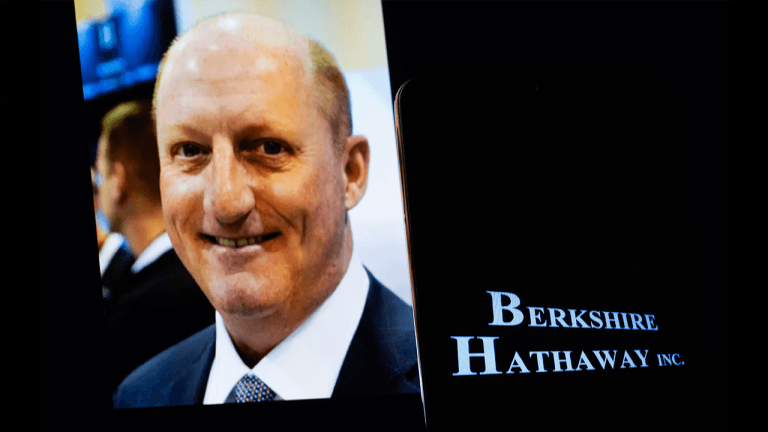
Federal Reserve official Barkin has committed to the central bank's 2% inflation target, warning that persistent price pressures could force tighter monetary policy. His comments, made public this week, signal the Fed may be preparing to shift course if inflation doesn't cool on its own.
Why inflation is the focus
Barkin's commitment comes as inflation continues to run above the Fed's goal. He didn't mince words: the target is non-negotiable. If price increases stay stubbornly high, he said, the central bank will have little choice but to tighten policy further. That's a direct warning to markets that have grown comfortable with easy money.
The logic is straightforward. When inflation exceeds target for a prolonged stretch, the Fed risks losing credibility. Barkin's tone suggests he sees that risk as real. He's not just repeating a mantra—he's laying groundwork for action.
What tighter policy could mean
Tighter monetary policy doesn't happen in a vacuum. It shifts expectations across bond markets, equity valuations, and corporate borrowing costs. Investment strategies built on cheap money could need a rethink. That's the practical takeaway from Barkin's remarks: if the Fed acts, portfolios will react.
Market expectations matter as much as the policy itself. When investors believe the Fed will move, they price it in ahead of time. That can tighten financial conditions even before the Fed lifts a finger. Barkin's signal may already be doing that work.
Barkin didn't offer a timeline. He didn't say when the Fed might act, or how much tighter policy could get. What he did do is draw a line: inflation above target won't be tolerated indefinitely.
The next few months of inflation data will likely determine whether his warning becomes reality. If price pressures ease, the Fed can hold steady. If they don't, Barkin's comments will look like the opening shot of a new policy phase.
For now, the message is clear. The 2% target stands, and the Fed is watching. Investors would be wise to watch too.