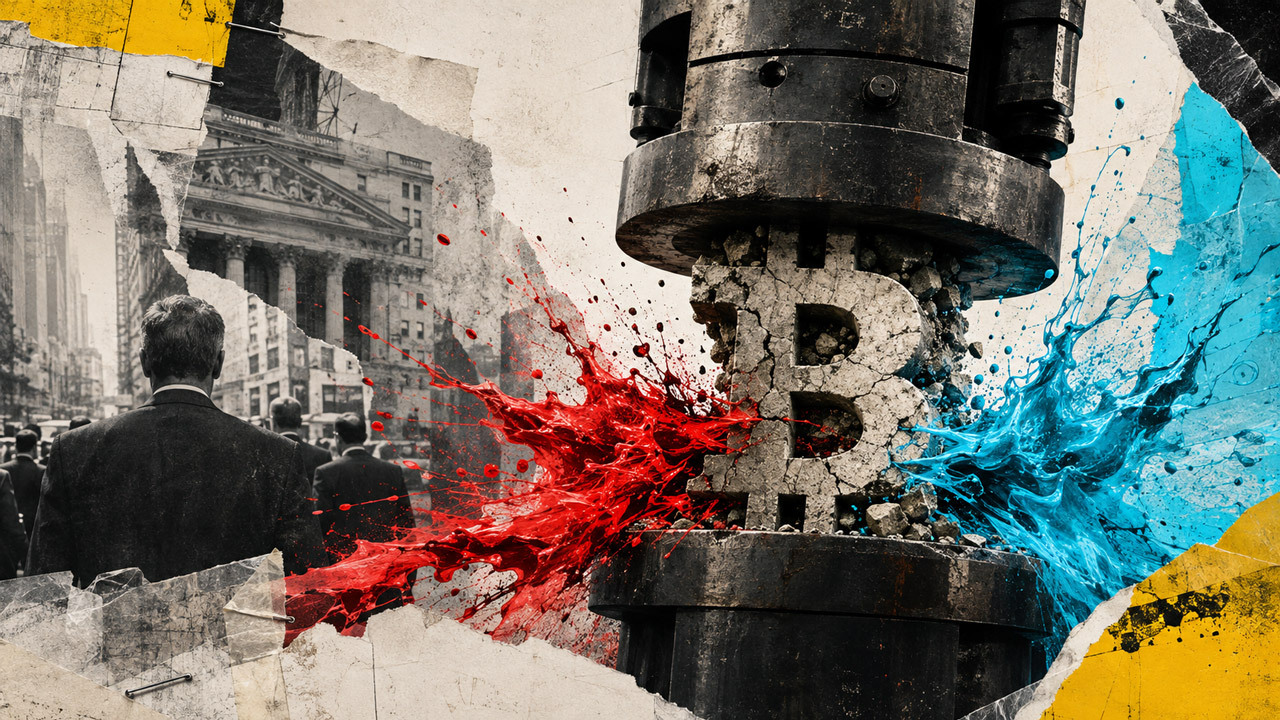
Russia has added Moscow, the Moscow Region, and parts of the Kursk Region to its cryptocurrency mining ban list, with the restrictions now set to run through 2032. The government cited power supply concerns as the reason for the expansion. The move widens a ban that previously covered other energy-strained areas, signaling a tougher stance on industrial mining in regions where electricity grids are under pressure.
Why the ban expanded
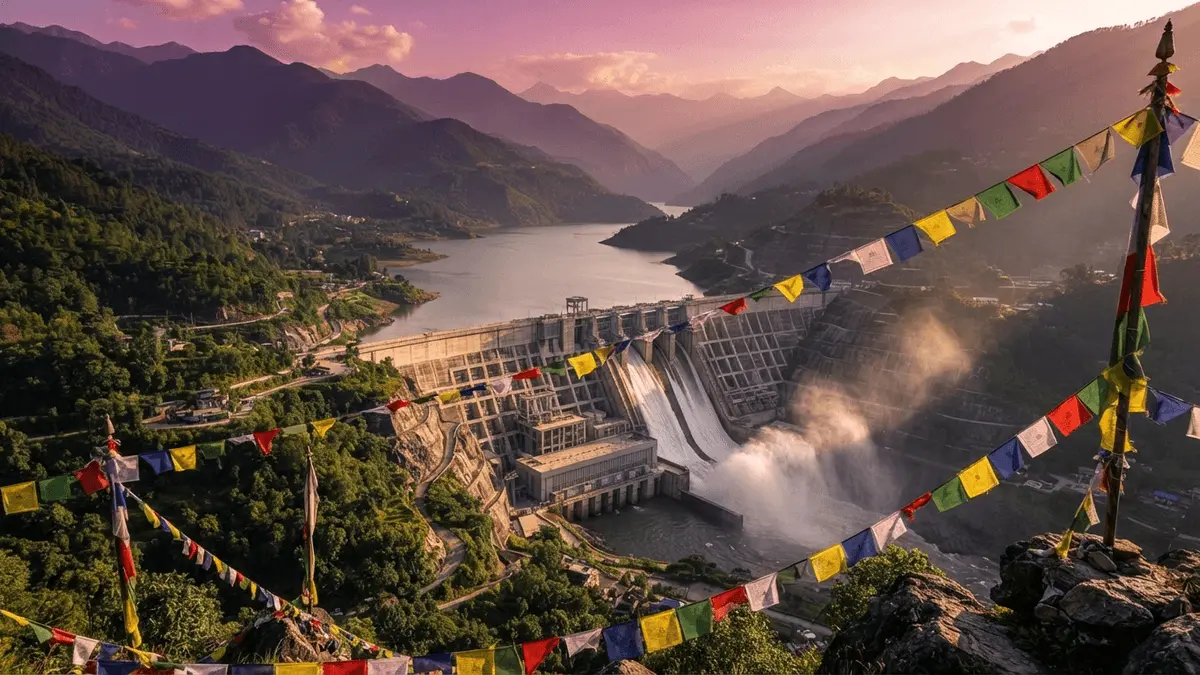
Russian authorities have been tightening controls on crypto mining for months. The latest additions — Moscow, its surrounding region, and parts of Kursk — are areas where electricity demand has been rising faster than supply. Officials have warned that unregulated mining operations can strain local grids, especially during peak winter months. The ban now extends to 2032, a long timeline that suggests the government sees mining as a long-term risk to energy stability rather than a temporary issue.
What the ban covers
The restrictions apply to both new and existing mining operations in the designated areas. That means any facility running proof-of-work hardware in Moscow, the Moscow Region, or the affected parts of Kursk must shut down or relocate. The ban does not appear to target individual hobbyists using home computers, but industrial-scale miners — the kind that draw megawatts of power — are squarely in the crosshairs. The exact boundaries within Kursk Region have not been published in detail, but local miners are expected to receive official maps from regional authorities.
Impact on miners
For miners already operating in these regions, the options are limited. Relocating to areas outside the ban — such as Siberia or the Far East, where power is cheaper and more abundant — is one possibility. But moving equipment is expensive, and not all operations have the capital to do it quickly. Others may simply shut down, especially smaller players who can't absorb the cost of relocation. The timing isn't great: Bitcoin's hash price has been under pressure this year, and a forced move could push some miners out of business entirely.
Enforcement details remain unclear. Russia's energy ministry and local grid operators are expected to coordinate inspections, but no specific timeline has been announced. Miners who continue operating in banned zones could face fines or have their equipment seized. The ban is set to last until 2032, but the government could revise it earlier if energy conditions change. For now, miners in Moscow and Kursk are watching for the next official notice — and weighing whether to pack up or push back.